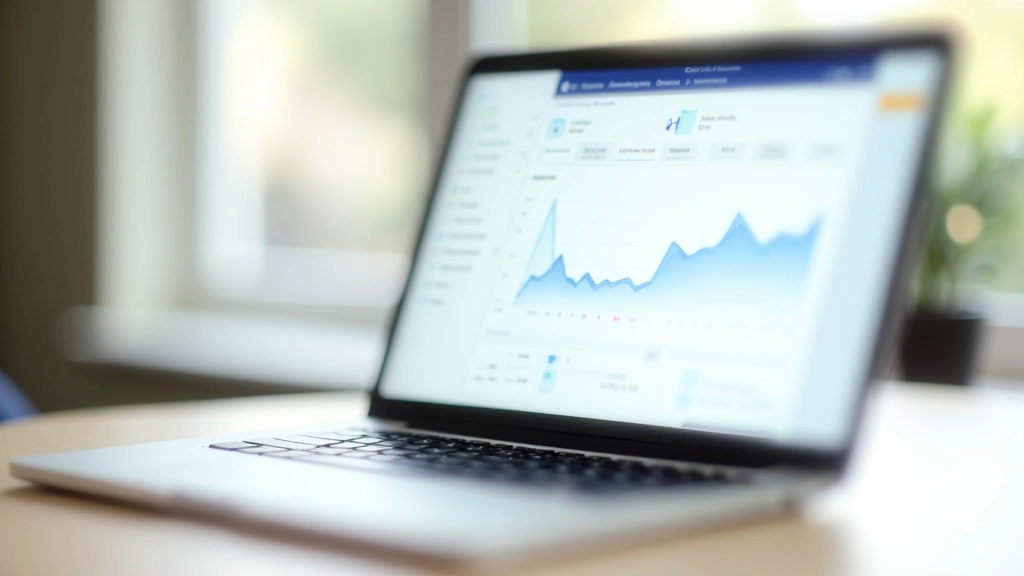

Essential Financial Tools: Apps and Resources for Irish Savers
Discover the best budgeting apps, investment trackers, and analytical tools available to Irish savers. Learn how to choose the right tools that match your financial goals and work seamlessly with your Irish bank account.

Why the Right Tools Matter for Your Savings
Managing money used to mean a pen, paper, and a lot of mental math. Now? You've got apps that track spending automatically, tools that show where your money's actually going, and resources that help you plan for what's next. It's not just about having more options — it's about finding the ones that fit how you actually live.
Whether you're saving for a house deposit, building an emergency fund, or trying to understand your spending habits better, the right financial tool can make a real difference. But there's a catch: not every app works well with Irish banking systems, and not every tool suits every person's goals. We'll walk you through what's available, how to evaluate them, and which ones work best for different situations.
Budgeting Apps: Where to Start
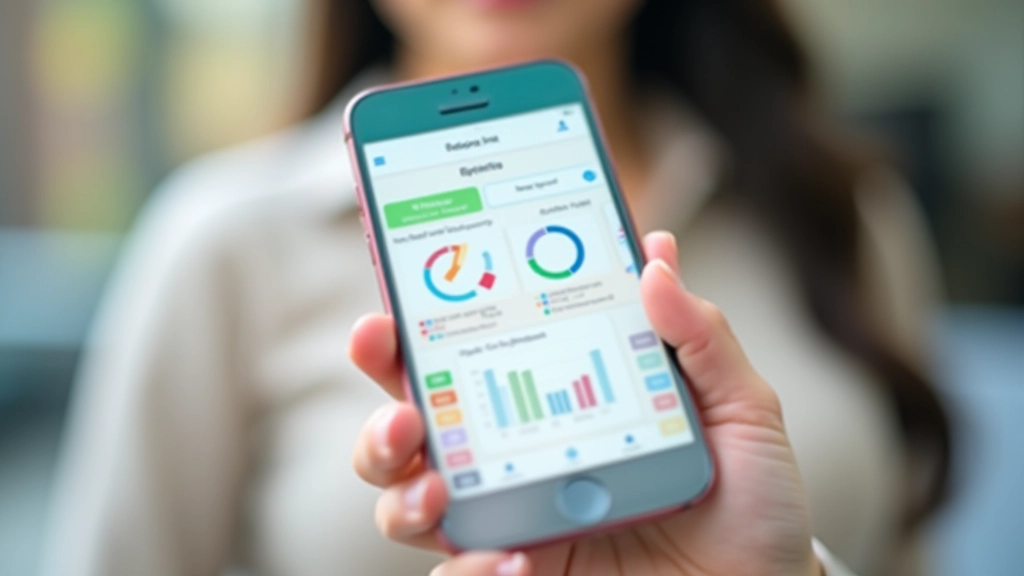
A good budgeting app does three things: it connects to your bank account, categorizes your spending automatically, and shows you patterns you'd otherwise miss. Most Irish savers find they're spending more on groceries or subscriptions than they realized — and that's where the real change starts.
The leading options available in Ireland include apps that link directly with AIB, Bank of Ireland, and most other Irish banks. You'll see transactions appear in real-time, which means you're not working from memory or old statements. Some apps let you set spending limits per category — groceries, transport, eating out — and they'll alert you when you're approaching your limit.
What makes a budgeting app actually useful? It needs to be honest without being judgmental. You're not looking for something that makes you feel bad about spending €15 on coffee — you're looking for something that shows you that €15 × 4 weeks = €240 per month. That's the moment most people go "oh, I see it now." That's when real budgeting starts.
Investment Trackers and Portfolio Tools
Once you've got a handle on budgeting, the next step is often investing. Whether you're interested in ETFs, stocks, or pensions, there are tools designed to help you track it all. An investment tracker does what the name suggests: it shows you what you own, what it's worth, and how it's performing over time.
For Irish investors, there's something important to understand: different tools focus on different things. Some are great for beginners who want to understand the basics — asset allocation, diversification, how fees affect returns. Others are built for people who already know what they're doing and just want fast data and analytics.
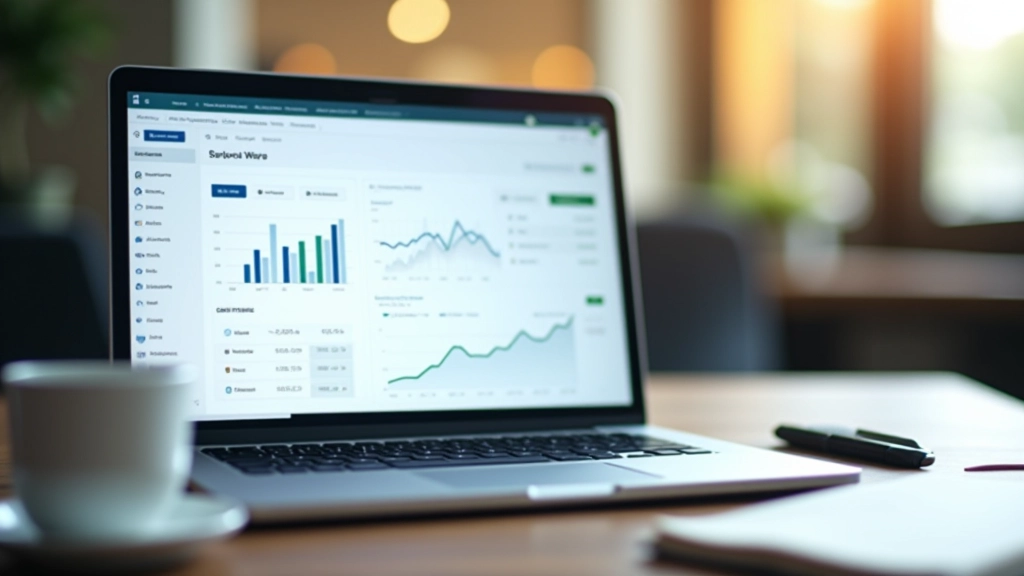
The best investment trackers for Irish savers integrate with your bank accounts and automatically update your portfolio value. You'll see exactly how your money's distributed across different investment types, what your fees are costing you annually, and whether you're actually on track for your financial goals. No guessing. No outdated spreadsheets.
Advanced Analytical Tools for Serious Savers
If you're past basic budgeting and want deeper insights, analytical tools offer something different. They're not just showing you how much you spent last month — they're analyzing patterns, predicting future needs, and helping you optimize your entire financial picture.
What serious savers look for: Cash flow forecasting (knowing when money will come in and go out), scenario planning (what if interest rates change?), tax optimization strategies, and detailed reports you can export and review.
These tools are particularly valuable for people saving toward specific goals with timelines. Say you're aiming to save €50,000 for a house deposit within 7 years. An analytical tool can show you exactly what monthly savings rate you need, how different interest rates affect your timeline, and whether you should adjust your target date or monthly savings amount. It's the difference between hoping it works out and actually knowing it will.
Many advanced tools also include tax planning features specific to Ireland. They'll track your tax-advantaged savings allowances, remind you about investment limits, and help you make decisions that minimize your tax burden within the rules. That's real value — especially if you're juggling multiple savings accounts or investment accounts.

How to Choose the Right Tools for You
With so many options available, how do you actually pick? Here's what matters most:
Does it work with your bank?
This is non-negotiable. Check if the tool connects to your specific bank — AIB, Bank of Ireland, Revolut, Wise, or whoever you bank with. Some tools have great features but won't integrate with your account, which defeats the whole purpose.
What's your primary goal?
Are you trying to cut spending, build an emergency fund, track investments, or plan for retirement? Pick tools that address your actual goal. Don't get a complex investment tracker if you just need to understand where your money's going each month.
How much does it cost?
Many excellent budgeting apps are free with optional premium features. Investment trackers sometimes charge subscription fees. Some tools charge transaction-based fees. Understand the pricing before committing — sometimes the free version is genuinely all you need.
Is the interface intuitive?
The best financial tool in the world is useless if you don't understand how to use it. Try the free version or trial period. Spend 10 minutes with it. Does it make sense? Or do you feel lost immediately?
Important Note
This article is informational and educational in purpose. It's designed to help you understand the landscape of financial tools available to Irish savers. The tools and resources discussed here are presented for educational awareness only — not as recommendations or financial advice. Your circumstances are unique, and what works brilliantly for one person might not suit another. Always review the terms, features, and fees of any tool before using it. If you're making significant financial decisions, consider consulting with a qualified financial advisor who understands your specific situation and goals.
Getting Started Today
The best financial tool is the one you'll actually use. It's not about having the most sophisticated platform or the fanciest analytics. It's about having something that fits into your life, that you understand, and that helps you move toward your financial goals.
Start with one tool. If you're new to financial planning, pick a budgeting app and use it for 4-6 weeks. You'll learn more about your spending in that month than you have in years. Once that becomes automatic, layer in the next tool if you need it.
The Irish financial landscape has changed dramatically since the post-Celtic Tiger recovery. We've got digital banking options that didn't exist 10 years ago, tools that integrate seamlessly with our accounts, and resources that make financial planning accessible to anyone willing to put in the effort. That's genuinely powerful. Use it.

Related Articles